

Knowledge base · Service-King
Equipment on site: control of check-outs, returns and shortages
Tools move between crews, cars and container. If transfers are not recorded, the deficiency often only becomes apparent on the next trip. First, sort out responsibility and history.
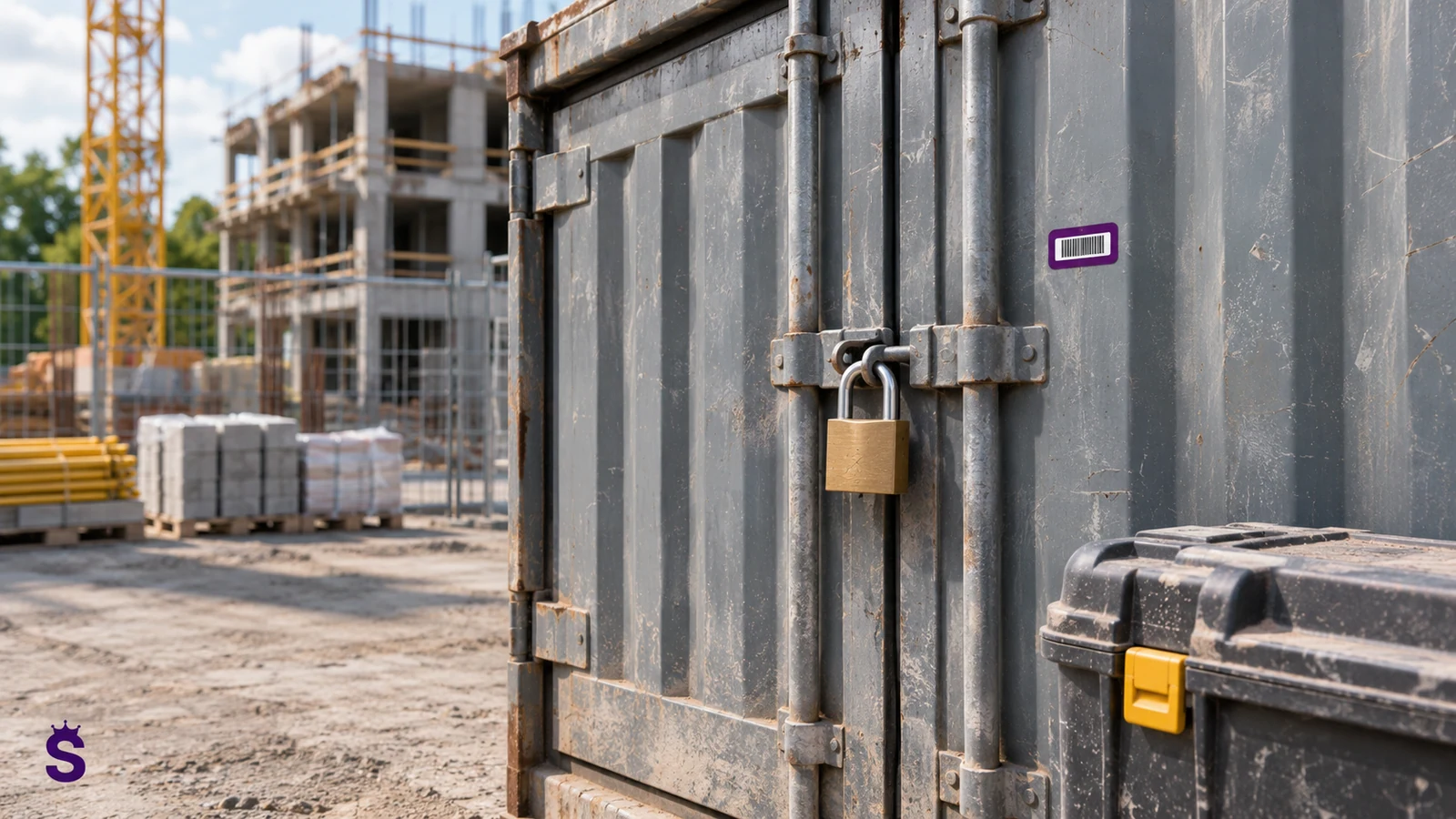
Record every significant handover
| Wait | What to confirm |
|---|---|
| Departure from base | Pieces, complete set and receiving team. |
| Forwarding | New person or location. |
| Return | Actual returned items and condition. |
| Failure | Symptom and exclusion from available. |
| None | Clarification of history before event qualification. |
A shared storage location does not mean a shared, unambiguous history. Objects that are similar in appearance must be distinguished as specimens.
Start at the point where the information disappears
Equipment can be released correctly from the database, but then transferred to another team without being saved. It can also go back to the car instead of the warehouse. A stale history is not the same as a physical disappearance. Before purchasing technology, determine the most common places where information is lost.
List common handoffs and ask your team how they can be conveniently confirmed. If a procedure requires a return to the office or multiple fields, it may be skipped in a hurry. A good model should reflect the work of the field and provide a clear path for incomplete completion, failure and change of recipient.
Identify similar-looking equipment as individual items
Two power screwdrivers of the same model may have different history and condition. The model catalog itself will not indicate which one is back. The item should have its own identifier linked to the serial number or other verification.
The selection of the marking requires taking into account the metal, material, dirt and method of holding. The installation should not cover openings or interfere with safe work. It is also worth testing the suitcase and batteries. Reading the packaging alone will not confirm the contents. The selection rules are shown tool marking guide.
Choose tags suited to how the equipment is used
Properly selected on-metal tags work well on metal tools; other structures on plastic housings. The installation must not interfere with grip, cooling and safe operation. The test is also performed after contamination and normal use.
UHF can shorten set control. QR makes it easier to consciously select one item. The tag is not a substitute for warehouse locking, access control, or physical security.
Investigate the discrepancy first
An undetected tool may remain on another team, have a damaged tag, or be out of reach. History helps determine the order of checks. The lack of reading should not be considered as evidence of theft.
This advisory is not a crime statistics report; focuses on organizing equipment workflow.
Example: a quick handover between teams
Two teams work closely together and exchange a tool without returning to base. If the information is not circulated, the first person remains listed in the records, even though he or she does not physically have the equipment. Establish a simple way to confirm this transfer. The solution should be convenient enough for the team to actually use it. Before settling the shortage, check these events, service and equipment left in cars, instead of immediately classifying the situation as a loss.
Related topic: issue and return history.
How to distinguish between situations requiring explanation
| Situation | First inspection | Continued entry |
|---|---|---|
| Out of stock | Is there a check-out or postponement? | Correct attribution or explanation. |
| No reading | Are the tag and conditions correct? | Marking and identity check. |
| Incomplete return | Which items were actually turned in? | Open items. |
| Damage | What symptom and condition was observed? | Application for evaluation. |
| Suspected loss | What facts and documents have been confirmed? | Appropriate organizational procedure. |
RFID supports tracking within a wider security process
A quick comparison of the marked set can help when leaving and returning. Searching for a specific tag supports search within the operator's reach. This is not an automatic tracking of all tools on the map or a guarantee against theft.
Access control, storage, closures, and incident response remain important. The records provide a history that makes checking easier. It is worth separating these roles in a conversation with the team, so as not to promise results that the identification itself does not provide.
Pilot for one team
Choose a repeatable set and go through a week of normal work with the agreed record. Check for handover between teams, failure, missing accessory and return of another unit. Measure the clarification time and the number of operations that need to be corrected.
Later refine the instructions and expand the scope. The benefit may be fewer calls and finding the right person faster, even if not every process is automated. Shows examples construction equipment and tool inspection.
Scenario: two teams exchange equipment without returning to base
The tool is needed on a neighboring project and is transferred without the involvement of the warehouse. If the workflow only requires a check-out from the database, the history will still indicate the first user. The process should predict real handoffs rather than forcing fictitious moves. Determine who confirms receipt and what minimum scope of data remains.
When collecting, please check that all items have been delivered. Sometimes one device goes on and the accessories remain in the car. A general move of the entire set may then introduce error. The level of detail should correspond to the need for settlement and the value of the equipment, and the rules should be understandable to both teams.
If a lack of connectivity prevents recording, an agreed fallback path and subsequent merging of information is needed. Do not assume automatic offline operation without checking the application. It's also worth specifying who explains the difference and when. A private message can help with ongoing contact, but it shouldn't remain the only history for long.
Before final settlement of the deficiency, check such transfers, service and items left in the vehicles. An undetected tag is a signal for inspection, not evidence of theft. Improvement can be measured by fewer calls and a shorter time to determine the last recipient. This is a real organizational benefit that can be assessed without promising to completely eliminate equipment loss.
| Area | Practical arrangement |
|---|---|
| Recipients | Persons actually involved in the transfer. |
| Scope | Actual items, not just the set name. |
| Time | The moment of the event and subsequent recording. |
| Failure | Agreed path without communications. |
| Clarification | Handovers checked before missing qualification. |
| Effect | workflow establishment time and number of manual calls. |
Checklist for the team leader
- List of specific equipment and sets.
- Designated receiving person.
- Handover rules between teams.
- Actual return and condition check.
- Separate procedure for reporting failure or loss.
See tool inspection and documenting the entrustment of equipment.
Questions worth clarifying before implementation
Is this guide a statistical theft report?
Does not show undocumented statistics. Its purpose is to organize workflow and clarify equipment incompatibilities. It is worth basing conclusions about the scale of the problem in the company on your own data.
Will the search engine find equipment throughout the construction site?
Works within the range and conditions of the specific reader and tag. It should not be identified with the continuous location of the entire square.
How to limit teams from bypassing the records?
Adapt it to actual transfers and leave a minimum, understandable scope of data. It is worth testing with operators and anticipating failures and exceptions.
Go to solutions related to this topic
- Equipment on construction sites - Handovers between warehouse, vehicles and crews.
- Inspection of tools and equipment - Specific pieces, check-outs, phrases and history.
- RFID Finder — Search for a specific item marked with the appropriate handheld terminal.
- Report-King Submissions - Description and photos of the problem with the actual item.
Free consultation
Let's sort out the equipment between the base and the crews.
Describe departures, transfers and returns. We will schedule records that help explain the deficiency without questioning everyone.
Thank you for your inquiry.
Your message has been sent to the correct department. We will contact you to determine next steps.
Send another inquiry