

We choose to move
We determine what we detect and what record should be created in the system.
RTLS RFID UHF - Zone Tracking
Containers, tools and equipment pass through fixed points. UHF RFID helps recognize marked items without scanning each code separately.
Service-King associates identifiers with records. We are preparing traffic automation around a specific point, event and operation.
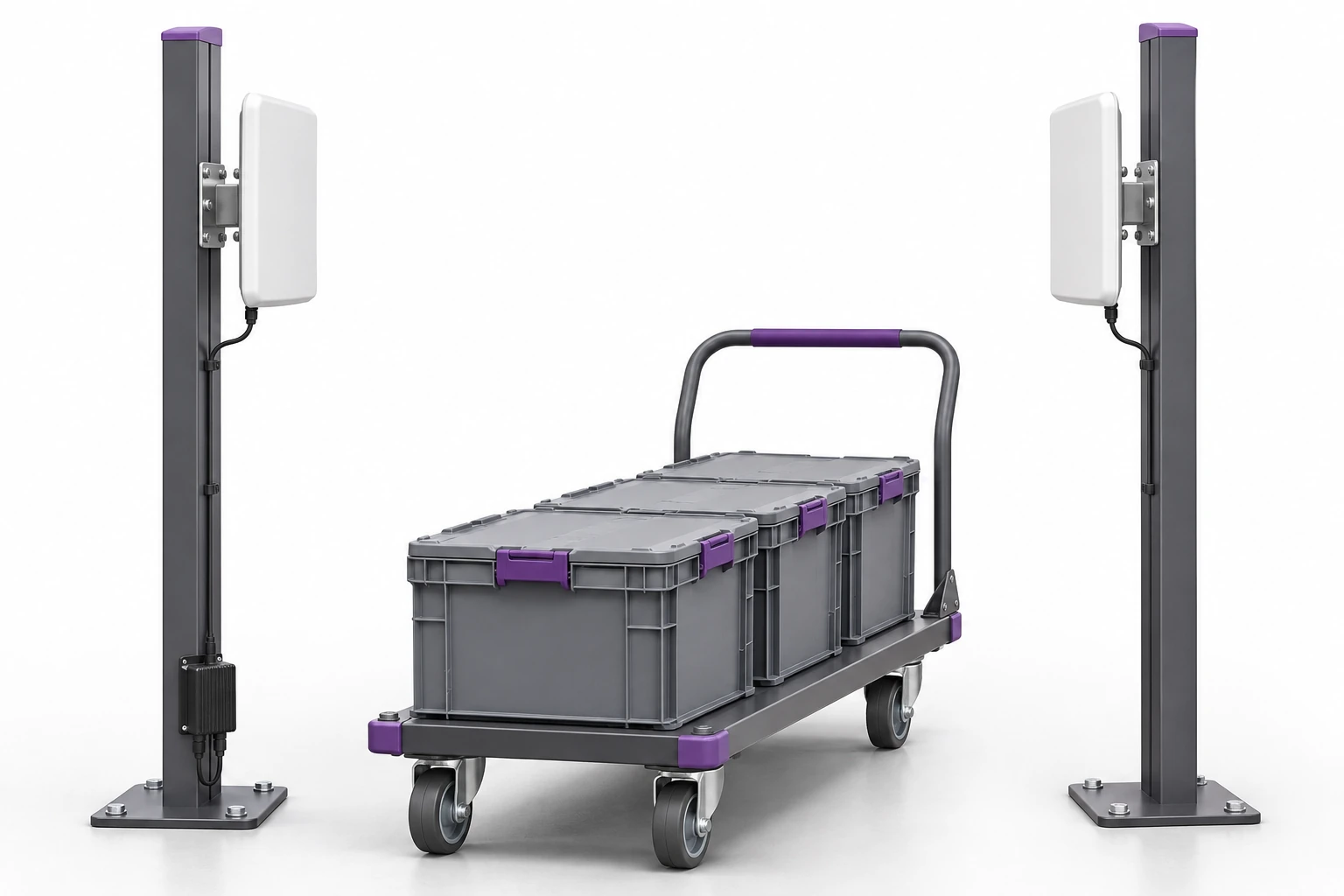
We start with the move that takes the team the most time to confirm manually.
Four related elements allow you to add meaning to your reading in your process.
We associate repeated readings of the same tag with the single-traffic rule. In the project we establish the recognition of the route, direction and exceptions.
Devices and places
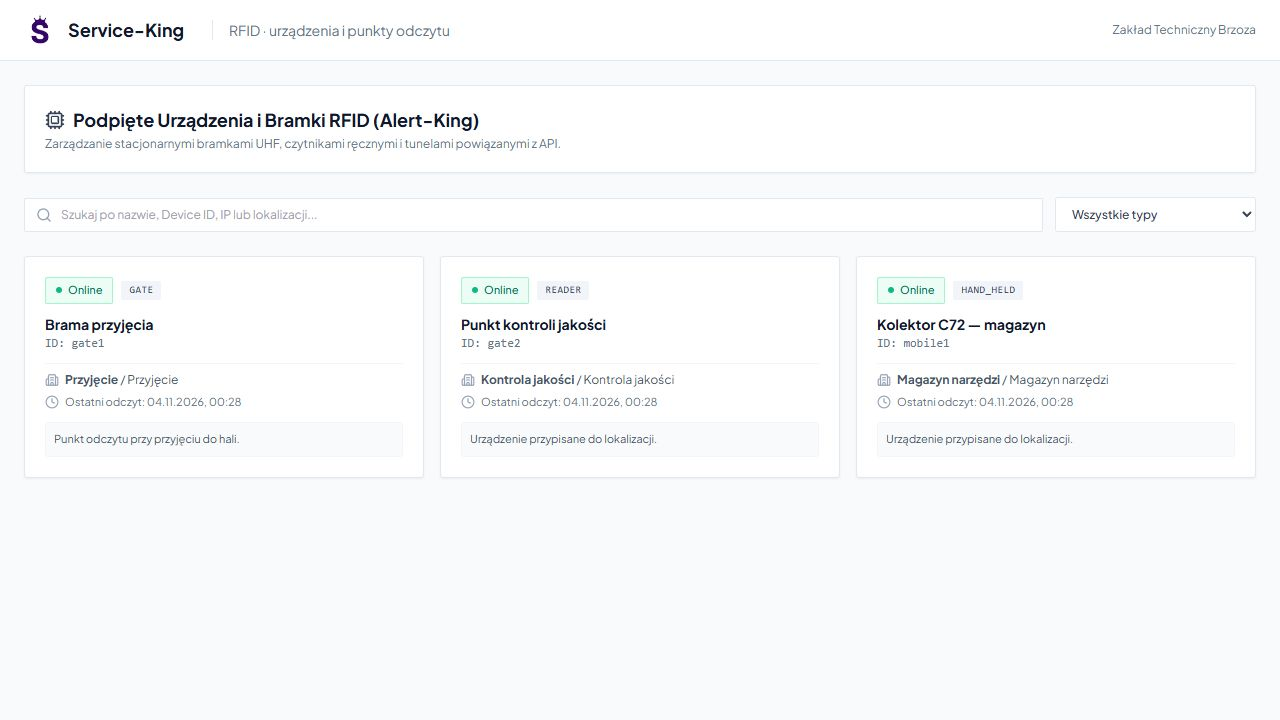
You check the device register reader, gateway or handheld terminal and its assignment. A point may correspond to a gate, passage or station.
This context allows you to link the recognized item with the place and time of reading. During startup, we check the device's communication and the meaning of the data transferred to the system.
Linking to records
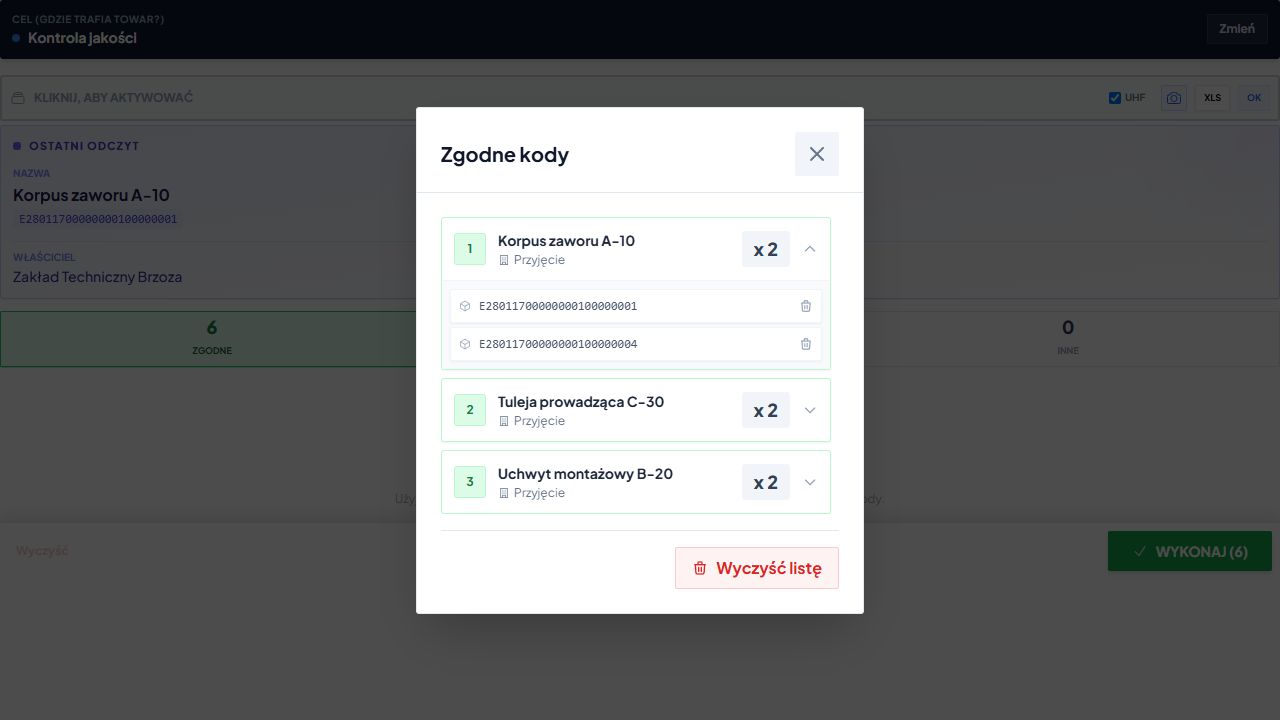
W UHF Logistics Center the operator sorts the collected codes and checks the recognized items. A common name may group several unique items.
Unknown or ambiguous IDs go to clarification. We determine how they will be handled and the rights of the responsible person.
We use the same records when integrating a stationary point. The change of place, issue or return goes through the appropriate circulation along with the document and history.
History and significance of the location
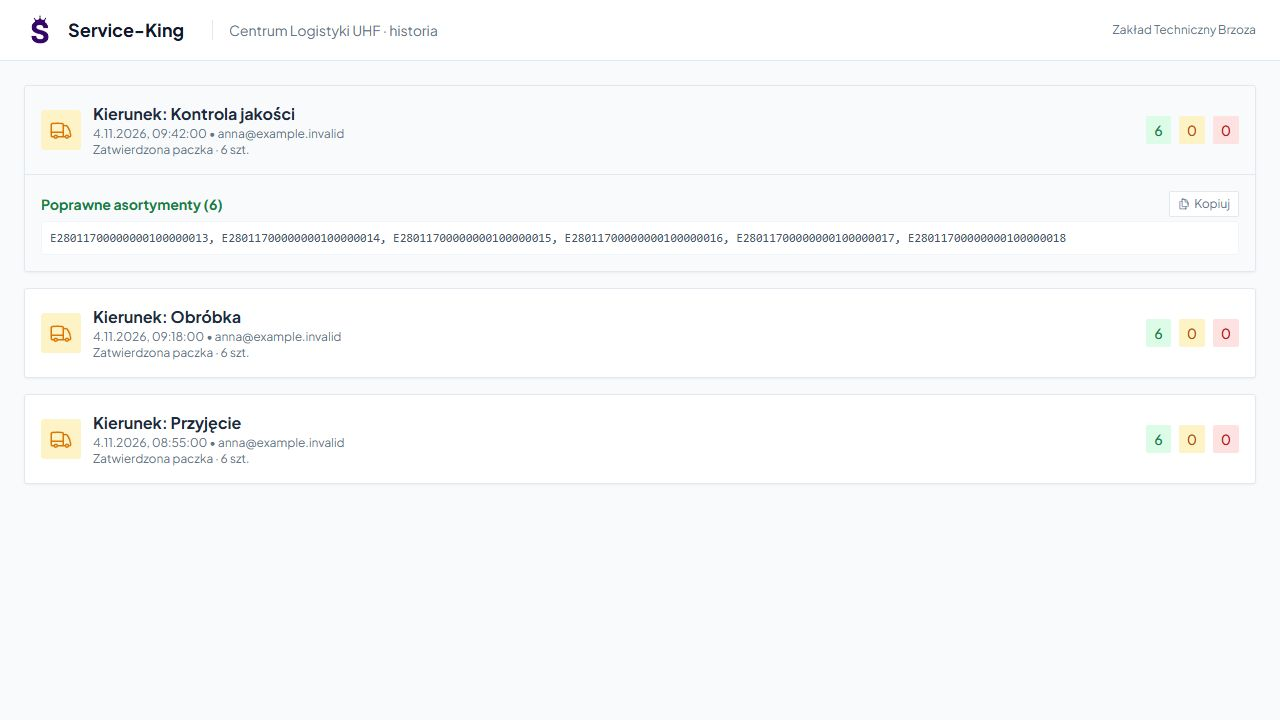
History helps you go back to direction of operation, number of pieces and identifiers of the approved package. You know what movement was made in the records.
The last point and zone describe the recorded event. Typical zone layout helps you keep track of transitions between places. Continuous measurement of accurate coordinates requires a separate solution.
During the project, we determine the necessary accuracy and direction recognition. We check the range and operation of the point on the object.
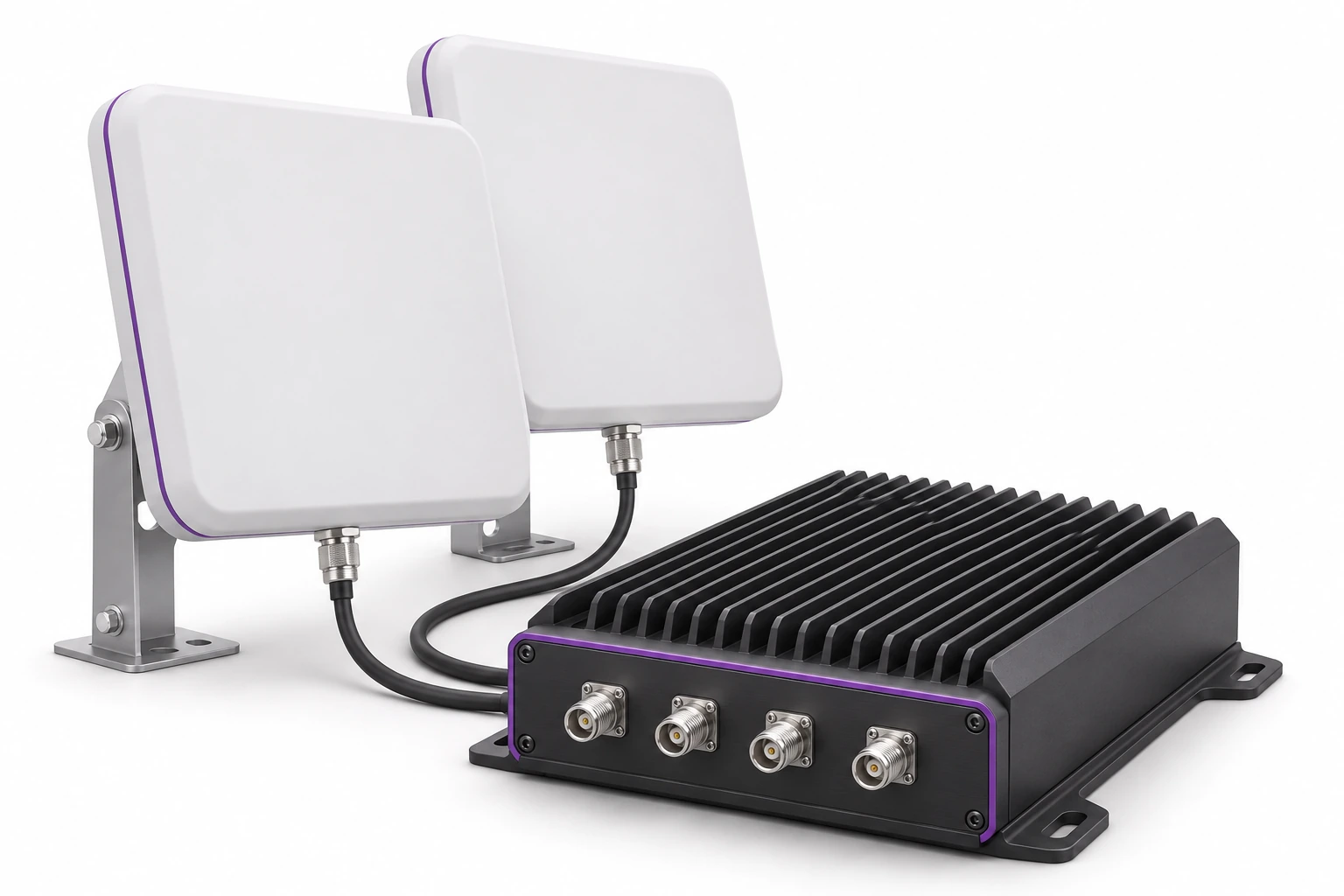
Selection for working conditions
The point may be a gateway, an antenna at the station or a reader in the storage area. We adapt the equipment and configuration to the actual traffic.
Metal, liquid, compact stacks and adjacent aisles affect reception. In the pilot we check difficult readings and unwanted detections.
The effect in the system is determined by the process rules, the software supporting the reader and the connection to the records.
Containers and return loops
Container, shipping basket or pallet may have your own record and history of transitions. We select the tag according to the material, temperature and cleaning method.
This helps control the transfer and return of load carriers. When it comes to content, we determine whether we recognize each piece or whether we are working on a related batch.
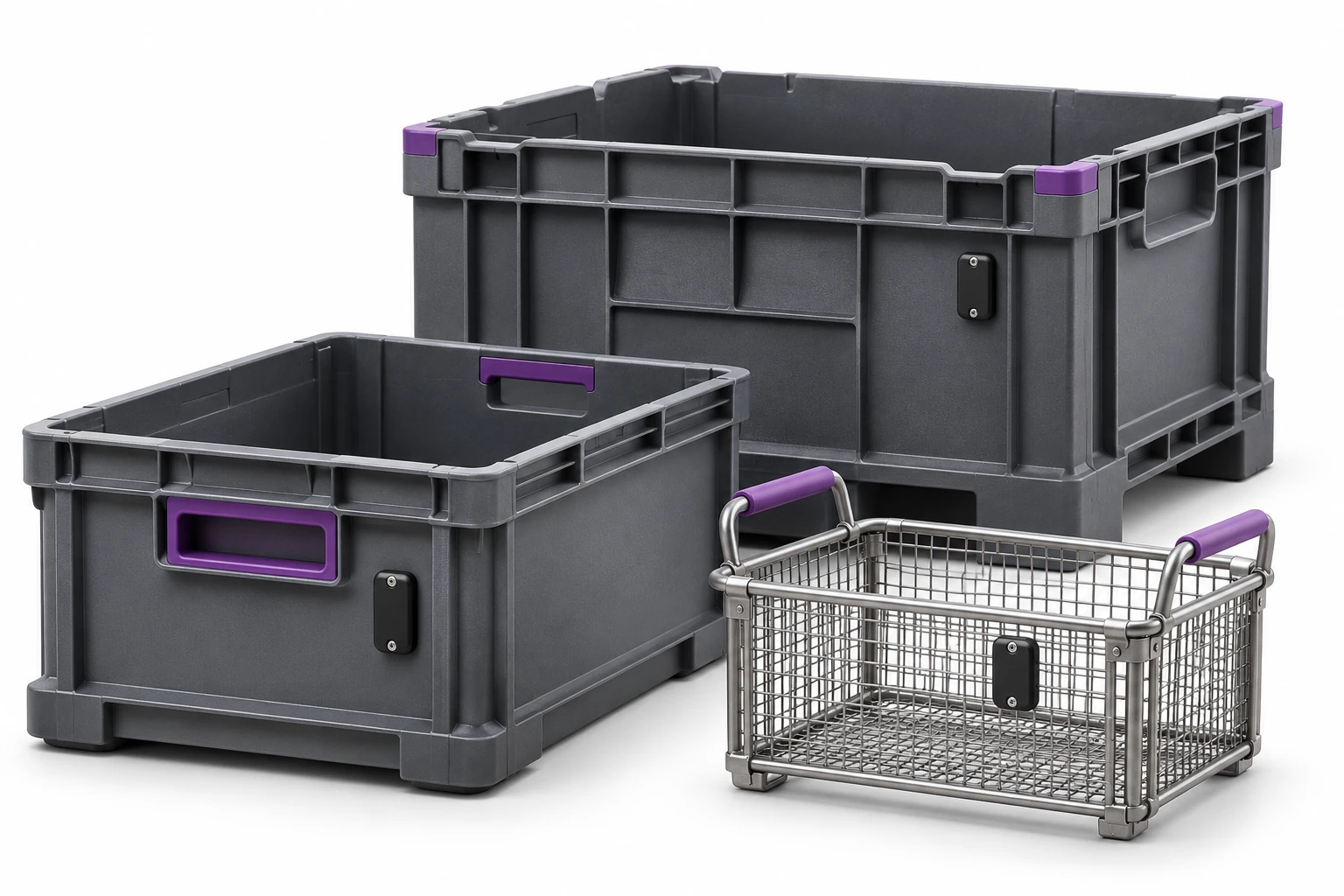
Piloting allows you to evaluate performance on real objects before expanding the solution.
We determine what we detect and what record should be created in the system.
We check the identifiers, the material of the item and the method of mounting.
We determine the antennas, reader, mounting location and communication.
We describe direction, repetitions, unknown codes and situations requiring handling.
We associate events with records, documents and possible data exchange with ERP.
We test for normal traffic, no read, retries and connection drops.
Performed operations can feed locations, monitors and reports. The validity of the view results from the last correctly accepted data. We agree on signaling outages and handling pending events. We select the scope of exchange with ERP for the client's system.
Free consultation
Select the point where manually confirming a move takes the longest time. We'll figure it out what to detect, how to use the reading and what to check in the pilot.
To start with, a description of one point and a few examples of marked things are enough.
Describe the place and movement you want to improve.
Practical knowledge