

Knowledge base · Service-King
RFID for railway equipment: assets and read conditions
In turn, it is worth separating the identification of back-office equipment from specialized vehicle identification systems. These are different requirements, environment and admission criteria.
Define a specific project scope
| Area | What needs to be determined |
|---|---|
| support facilities Tools | Issues, returns, sets and condition. |
| Measuring instruments | Item identification and inspection documents. |
| Parts and load carriers | Indexes, batches, and traffic between locations. |
| Vehicles and infrastructure | Appropriate standards, devices, and industry design requirements. |
The implementation of the tool register does not mean that the system is approved for traffic safety applications. This scope requires separate assessment and specialist arrangements.
Workshop support and operational systems have different scopes
Tool records help determine what was issued to the crew and what was returned. Vehicle identification or applications related to traffic safety require separate technical and formal arrangements. Industry approval should not be derived from RFID tag support alone.
Separate objects and decisions before the conversation. The pieces and inspection documents will be important for the measurement set. For parts - the correct index and other required data. For infrastructure - project specific conditions. This division helps assess where standard records are useful and where a specialized system is needed.
Maintain a history for each individual instrument
Similar devices may have different documents and statuses. Issuing a model without distinguishing pieces will not make it clear which instrument was used and which was returned. The ID should lead to the appropriate record and documentation.
When returning, check the set and notes. Damage, missing item and approaching inspection date require different actions. The reading of the tag itself does not confirm the completion of the test or its technical suitability. Describes planning and recording of results inspection and control module.
Metal and outdoor conditions require testing
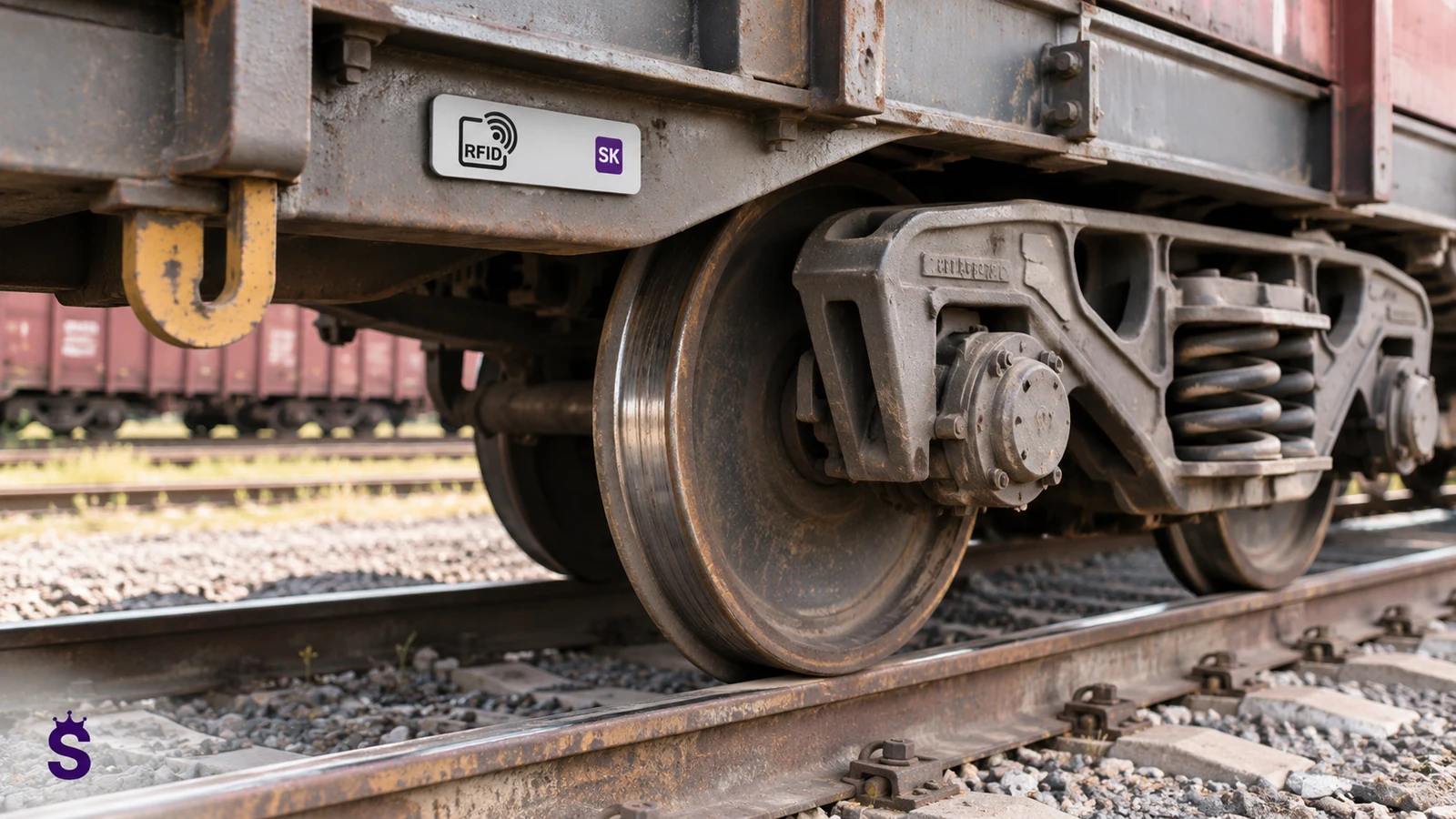
Markings may be exposed to oil, water, temperature and damage. Appropriately selected tags are used on metal elements. The test must be performed on a finished object in the planned method of work. Reading a loose tag is not enough.
With a fixed point, speed, geometry, adjacent objects, and how the read is assigned also matter. The parameters are confirmed by the design and test, not by a general RFID password.
Where Service-King records fit
A practical beginning might be the tool crib of a workshop or the history of instruments. The designation leads to a record, and the check-out indicates a person and a specific piece. When returning, you can settle the set and save the balance.
Integrations with railway systems, vehicle identification and industry requirements are not an automatic element of such records. The scope must be determined separately.
Example: a set of measuring instruments returns to the workshop
The team returns the case, but one device remains at the station. Accepting just the suitcase shouldn't be the end of the list. Content control and information about the missing item are needed. If the instrument is due for proper inspection, the availability status should include up-to-date documentation. This is an example of a support facilities workflows that can be assessed independently of specialized rail systems. The solution criteria then concern the completeness, history and convenience of the workshop.
Related topic: instrument inspection documentation.
Requirements by item type
| Object | Purpose of records | Additional rating |
|---|---|---|
| Tool | Issue, return and condition. | Mounting, metal and use. |
| Device | Item and documents. | Inspections and approvals required. |
| Part | Correct data and warehouse movement. | Process and traceability requirements. |
| Load carriers | Workflow and content associated with an operation. | Test after loading. |
| Vehicle/infrastructure | Scope of specialized project. | Appropriate standards and formal criteria. |
Include oil, metal and outdoor conditions in the trial
The marking should withstand real-world handling, cleaning and storage. The installation location must not impede operation or obscure required information. Carry out the test on ready-made objects, including complete ones. Loose tag read at desk does not confirm target conditions.
Fixed points include motion, geometry, and adjacent objects. The criteria should include valid and undesirable readings. Don't claim performance or speed without testing the actual scenario.
How to start a pilot with clear responsibilities
Select a limited support facilities equipment group and establish requirements with its users. Go through issuance, transfer, incomplete return and handling of defective marking. Record what information comes from the system and what comes from actual technical judgment.
In Service-King, the starting point may be tool records and operation history. Integrations and specialized rail requirements must be specified beyond the overall feature presentation.
Scenario: a measurement kit is returned in several parts
The suitcase returns to the back room, but one instrument remains with another person. The receipt of the package should not close all items. The return result must match the items actually received. If equipment has individual IDs, you must confirm the correct items, not just the similar model.
For instruments, check related documents and applicable terms. Reading the tag does not confirm the inspection or technical suitability. If a device is damaged or requires evaluation, its presence in the workshop should be separated from readiness for the next check-out. Users must understand the meaning of status.
When returning the remaining item later, keep the connection with the previous operation. There is no need to create a new asset if only the tag is replaced. Alternative identification should result from numbers and documentation. Open items require an owner and a method of termination so that they do not disappear from attention when the team changes.
Such a pilot concerns the organization of the support facilities and can be assessed by the completeness, time and readability of the history. It does not replace the specialized requirements of railway systems and does not constitute confirmation of approval for traffic safety applications. A clear separation of scope helps you conduct a responsible trial and determine what additional requirements need to be assessed separately.
| Area | Practical arrangement |
|---|---|
| Packaging | Identity of the suitcase separated from its contents. |
| Item | Instruments actually returned. |
| Documents | Appropriate inspection and evaluation data. |
| Availability | Ready, waiting and out of order. |
| Open positions | Liability and next move indicated. |
| Project boundary | support facilities separated from operational systems. |
Checklist
- Clear separation between support facilities and operational systems.
- Actual environmental conditions.
- Correct standard and tag.
- Rules for issue, return and review.
- Acceptance criteria and maintenance responsibility.
Questions worth clarifying before implementation
Is the system automatically approved for rail applications?
This is not due to the use of RFID. The scope requires appropriate assessments and arrangements for a specific project. The article is primarily about the separation of back-end needs.
Will the tag replace the instrument inspection document?
No. The identifier helps find the right record, and the document confirms specific activities according to appropriate rules.
Is it worth starting with one team?
This way you can limit the sample while maintaining consistent identifiers and rules that can later be applied more broadly. Representative exclusions and terms of use are important.
Go to solutions related to this topic
- Inspection of tools and equipment - Specific pieces, check-outs, phrases and history.
- Industry and manufacturing - Machines, tools and parts in common workflow.
- Inspections and due dates - Schedule, activity lists and execution record.
- Reports and movement history - Statements and documents related to operations.
Free consultation
Let's start with equipment in your support facilities.
Describe the tools, fixtures, and kits used by teams. We will determine the scope of records and project requirements.
Thank you for your inquiry.
Your message has been sent to the correct department. We will contact you to determine next steps.
Send another inquiry