

Knowledge base · Service-King
Forklift fleet records, handovers and inspections
Which cart requires servicing, where is the documentation and who reported the problem? The device tab organizes this information. It does not replace operator qualifications or required technical inspections.
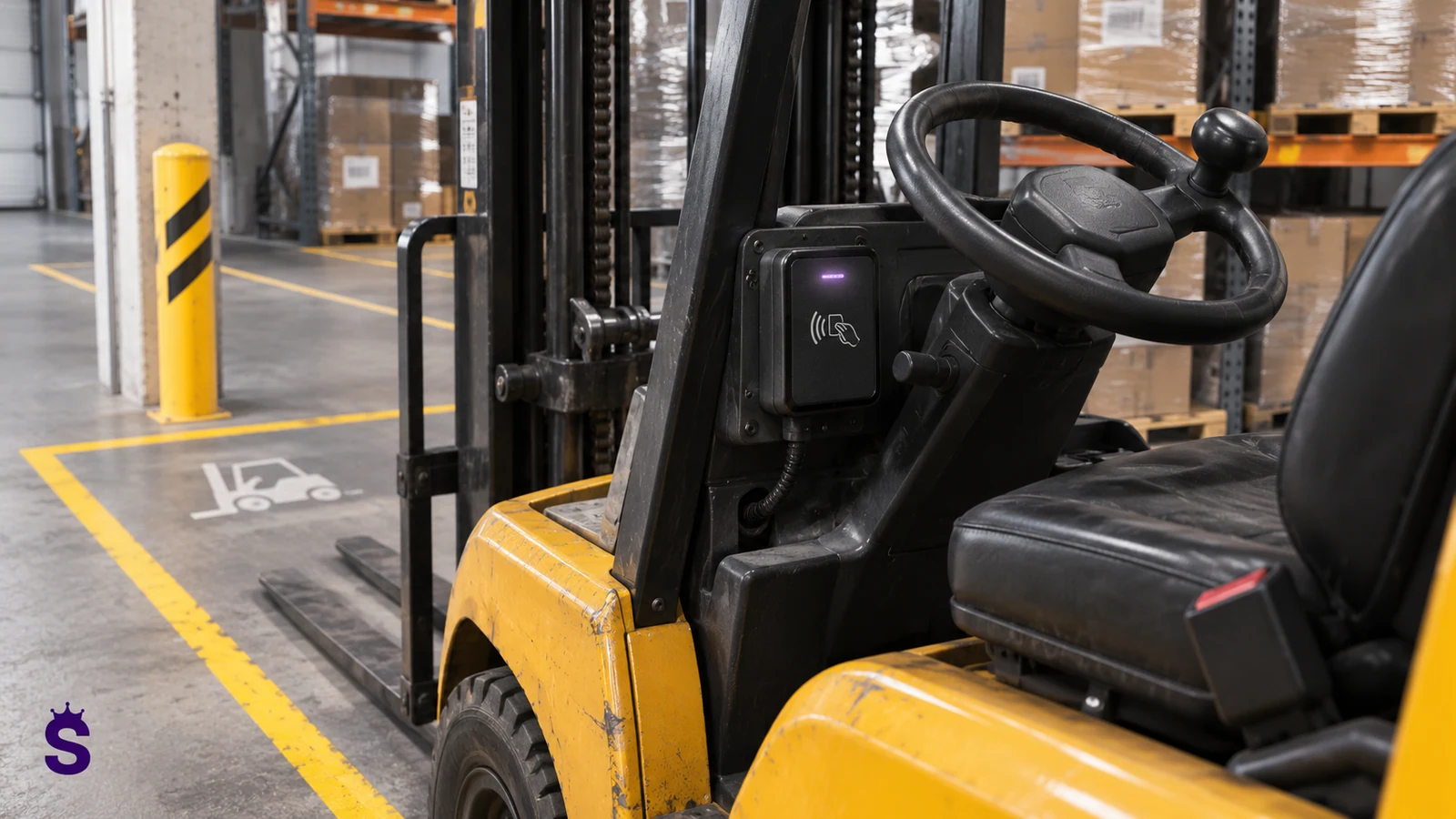
A record for each individual device
| Area | Sample information |
|---|---|
| Identification | Model, serial number and registration code. |
| Assignment | Location and agreed responsibility. |
| Status | Reported problems and work availability. |
| Service | Deadlines and confirmed activities. |
| Documentation | Manuals and relevant technical documents. |
The status in the system must result from the current record. Old "functional" information is not proof of the current usefulness of the device.
Each record should identify the correct device
The model and serial number help distinguish similar trucks. In addition, there is the location, documents and history. The common name "warehouse cart" is not sufficient to clearly record its operation.
Prepare the catalog and check the data on the plates and in the documentation. The QR or RFID marking is intended to make it easier to find the same card. It should not obscure required information or impede use. When replacing a tag, keep your device history.
Distinguish a reported symptom from the result of servicing
The operator may notice a problem but is not required to determine its cause. It is worth keeping a description of the conditions and symptoms, and adding the assessment result separately. Closing a ticket should have a reason, not just a color change.
If the device should not be used according to the appropriate decision, the information must be legible for the next change. After service, record activities, documents and further arrangements. The system organizes history, but does not replace qualifications and responsibility for technical assessment.
Reporting a fault and handling it are separate stages
Operator reports symptom. The appropriate person assesses further action and feasibility of use. After operation, the result and documents are entered. Simply closing a ticket should not hide an unresolved issue.
Requirements for a specific truck, its operation and supervision should be determined in accordance with the documentation and relevant regulations. There is no simple date that can be applied to all devices without verification.
RFID identifies the truck; operator authorisation is a separate check
Tag or QR makes it easier to open the right record. It does not confirm your driving license or pre-work inspection. If the project is to include authorization or telemetry, hardware, integration, and security requirements must be established.
Service-King helps with records, documentation and machine service history. The scope of the specialized fleet management system must be confirmed separately.
Example: a fault reported during a shift
The operator reports the symptom and the device is removed from normal workflow according to the appropriate procedure. The next change should include current information and the person responsible for further assessment. After handling, it is not enough to remove the red marking; you need to record the actions performed and the basis for the decision. The history helps you check later if the problem reoccurred. However, it does not alone determine occupational safety or compliance with supervision requirements.
Related topic: device card and log.
Information that supports fleet management
| Scope | Target | Responsibility |
|---|---|---|
| record | Device recognition. | Data owner. |
| Deadlines | Planning appropriate activities. | Person responsible for requirements. |
| Reports | Problem information. | Operator and service coordinator. |
| Documents | Confirmation of specific actions. | Appropriate contractor and acceptance. |
| Availability | Work organization. | Current record according to procedure. |
Operating requirements depend on the specific device
UDT indicates the importance of operating instructions, proper maintenance and qualifications for appropriate equipment. One simplified term should not be applied to an entire diverse fleet. The scope of duties must be determined on the basis of documentation and relevant regulations.
Records can help store dates and documents, but they do not grant rights or confirm the performance of activities. Telemetry, operator authorization and device signals are additional scope to be agreed.
What to check in the pilot
Select several devices and go through the request, referral to service, saving the result and returning to availability. Check the overdue date and missing document. The next person should understand the situation without verbal communication.
Can be connected machinery fleet, inspection schedule and reports. The scope of specialized fleet management and integration should be confirmed for the company's needs.
Scenario: reporting a fault at the end of a shift
Operator notices symptom and reports it before completing work. The next change needs to know what the case is about and what the current scope of acceptable use is according to the relevant decision. Oral information given to only one person is easily lost. The report should lead to the correct device card and responsible service.
Separate symptom description from cause assessment. The user may notice unusual behavior but does not need to perform a diagnosis. Conditions, time and relevant considerations consistent with organizational policies are useful. You should not encourage the risky attempt to reproduce the problem just to fill out a form. Safety and due process take priority.
Authorized person evaluates further actions. The system can show status and documents, but simply clicking "done" should not replace the required technical action. After operation, record the scope performed, the result and documentation. If part of the case remains open, the next user should be able to see it without replaying the conversation from the previous shift.
For terms, distinguish between types of activities and their basis. Appropriate instructions, supervision and qualification requirements apply to specific devices. You should not set one date for your entire fleet based on a general article. It is worth keeping the source of the term and the person responsible for keeping it current in the records.
In the trial, go through the request, assignment of service, waiting for the document and return to availability. Assess whether the next shift understands the no-question condition. Measure waiting time separately from technical work, because missing parts or decisions have a different cause than the repair itself. Such a report helps improve organization without pretending to be an automatic security assessment by the application.
| Area | Practical arrangement |
|---|---|
| Device | Correct model, number and record. |
| Symptom | Description without automatic cause assignment. |
| Decision | Authorized person and proper procedure. |
| Service | Activities, result and documents. |
| Deadlines | Basis and responsibility for updating. |
| Another change | Clear status and open arrangements. |
A checklist for getting organised
- Current device list.
- Documents assigned to appropriate items.
- Responsibility for submissions and deadlines.
- Usage restrictions visible.
- Confirmation of service performed.
See machinery fleet and inspection planning.
Questions worth clarifying before implementation
Does RFID confirm operator qualifications?
The reading itself identifies the marking. Authorization and permission requirements are a separate process that must have the right data sources and policies.
Is it enough to set an annual deadline in the system?
This should not be adopted without checking the requirements of the specific device and type of activity. Deadlines should have a proper basis.
Does the status record replace the technical document?
No. Status helps organize work, and the required activities and documents must be carried out according to appropriate rules.
Go to solutions related to this topic
- Machinery management - Machine records, parts, documentation and saved status.
- Inspections and due dates - Schedule, activity lists and execution record.
- Maintenance management - Work plan, contractor and documented service result.
- Report-King Submissions - Description and photos of the problem with the actual item.
Sources and further verification
Free consultation
Let's link warehouse truck records with maintenance and fault reports.
Describe devices, documents, and how to report problems. We will determine the scope of records and responsibility for updating.
Thank you for your inquiry.
Your message has been sent to the correct department. We will contact you to determine next steps.
Send another inquiry