

Knowledge baseLaundry and textiles
RFID laundry workflow: receipt, checks and returns
How many pieces were received from the customer, how many are in the laundry and what is missing from the delivery? RFID helps recognize textiles, but a clear result is only produced when the readings are assigned to the correct stages of the circulation.
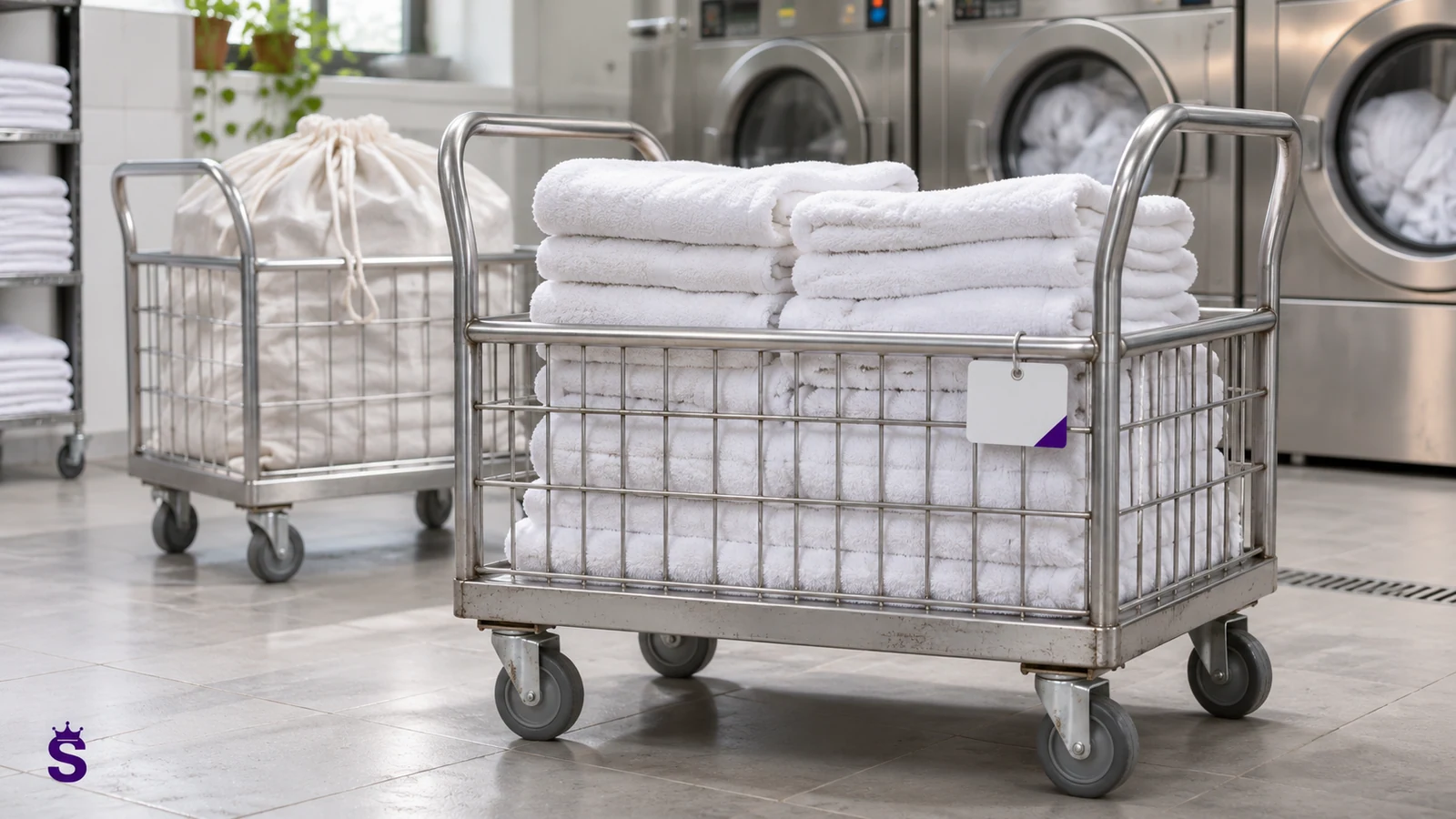
Start with the item, customer and zone
Two identical duvet covers may belong to different customers and have a different history of use. A tag identifies a specific item, and the record links it to the type of textiles and the accepted assignments. Thanks to this, you can calculate the circulation more precisely than just the number of bags.
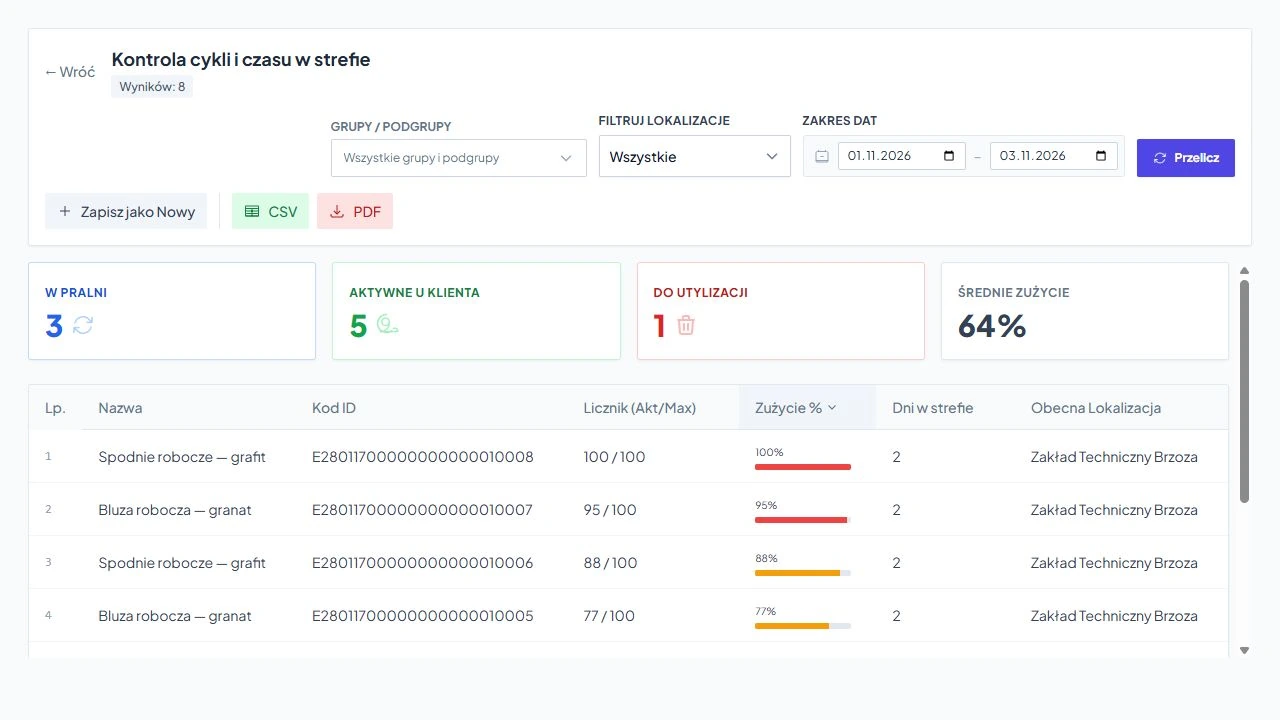
Before implementation, determine the names of the zones: at the customer's site, dirty receipt, laundry process, clean warehouse and issue. Actual transitions must correspond to operations in the system. If one zone represents three different stages at the same time, the report will not explain where the batch stopped.
An example workflow in six steps
| Stage | What are you writing down | What you control |
|---|---|---|
| 1. Collection | Customer, marked pieces and acceptance document. | Difference between declaration and audit result. |
| 2. Accepting dirty | Correct lot and zone. | Foreign textiles and unrecognized identifiers. |
| 3. Processing | Reconciled process events. | Whether the cycle counter is incremented at the correct time. |
| 4. Clean Control | Evaluation result and distribution of pieces. | Damage, shortages and items requiring re-service. |
| 5. Picking | Pieces intended for a specific customer. | Content consistent with check-out list. |
| 6th Check-out | Document and reassignment in circulation. | Whether the approved batch corresponds to the actual shipment. |
This is an example layout. The number and names of stages are selected according to the operation of the laundry; there is no need to create a reading every time the basket is moved.
Read counts do not equal wash counts
The reader can detect the same item multiple times in one session. Repeated ID reading should not automatically increase the wash counter. The counter is associated with an agreed business event and a rule that prevents accidental billing.
Also establish fix handling: rewash, read check, and undo a bad operation are different situations. Without these rules, even accurate tags will not provide a reliable consumption statement.
Choosing a read point and a laundry tag
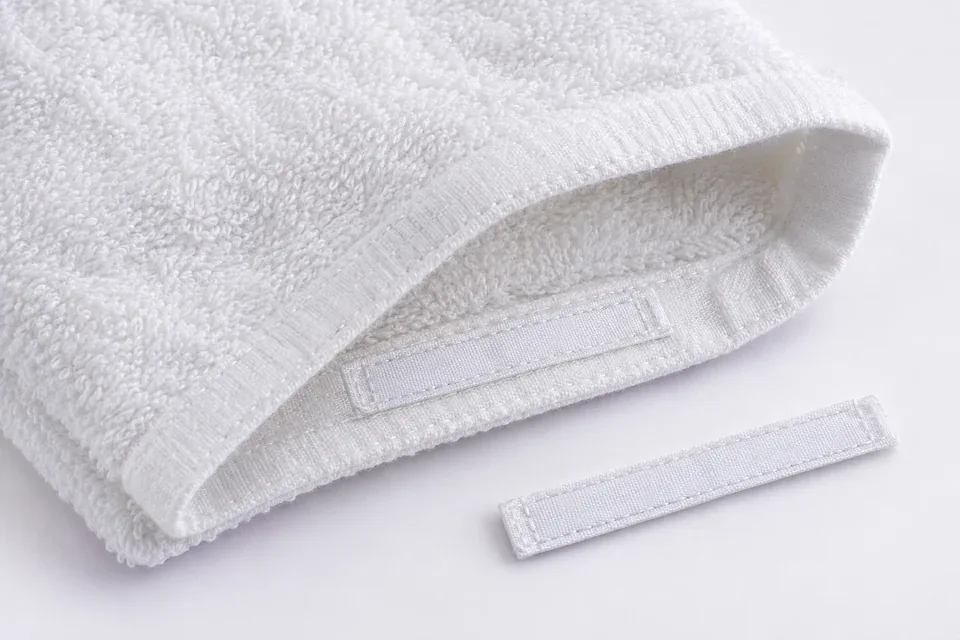
Choose textile tags rated for the laundry process, including temperature, pressure, chemicals and drying. Check the specifications for the particular tag model and process. A cycle rating for one product cannot be assumed for every tag.
The marker may be sewn in an agreed place or mounted by another method approved by the manufacturer. The reading test is performed on the actual load, also with wet textiles and the target density in the trolley. See HID recommendations for textile management and guide selection of UHF laundry tags.
Resolve shortages with clear accountability
Instead of only comparing check-out and reception totals, check the history of a specific item. The last approved operation helps determine at what stage you need to look. The last entry does not in itself prove the cause of the loss, but it organizes the conversation and reduces guesswork.
Separate customer's textiles from items in the laundry, withdrawn and awaiting clarification. The report should cover a specific period and scope. In Service-King you can work with zone records, circulation and reports and workflow history.
What to prepare for a laundry trial
- Representative textiles, including small and thick items.
- Target tags and sewing method.
- Actual carts, bags and typical load arrangement.
- Flow of one delivery from customer to reissue.
- Cycle calculation rule and rewash handling.
- Exception list: foreign item, no reading, damage, incomplete return.
Functions and examples can be found on the website RFID laundry. First confirm the data quality in one loop, and only then expand the number of reading points.
Sources and further verification
Continue on this topic