

Knowledge base · Service-King
IBC tracking: identification of container and its contents
The IBC can be returned multiple times, changing its contents and being serviced. The records should maintain the identity of the load carrier and clearly indicate what is known about its current workflow.
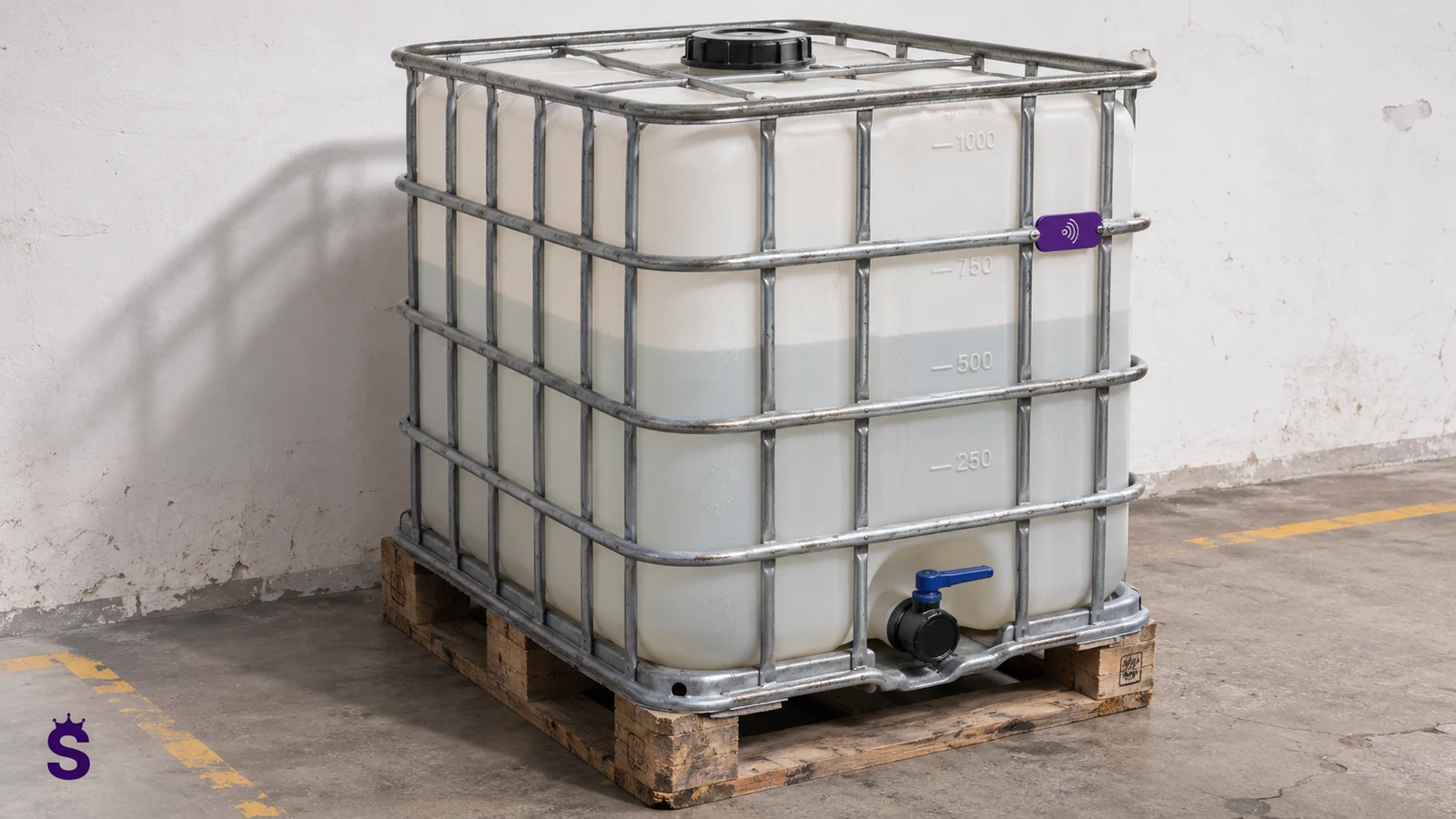
Distinguish the container from its contents
IBC as a returnable asset has its own history. Substance type, batch and delivery documents are data of current use. They should not permanently replace the bin identifier. When replacing structural elements, it is necessary to determine what the company considers to be the same asset.
| Area | Sample data |
|---|---|
| Load carriers | Identification, type and relevant technical data. |
| Check-out | Business partner, date and document. |
| Return | Actual receipt and condition. |
| Service | Washing, repairing or other activities required. |
| Exception | Missing, damaged, unrecognized marking. |
Define how IBC identity is retained when components change
The pallet container consists of elements that can be operated or replaced. The company should determine what it considers the same asset and when a new record is created. An unclear tag transfer rule may transfer history to another object.
Separate persistent load carriers data from current content and its documents. The container may return empty, go to the staff and leave again with another batch. These are three different pieces of information: the asset's identity, its stage of workflow, and its current use. A common number should not blur them.
Test both filled and empty containers
Metal cage, fluid and mounting location affect reading. Check the tag on the finished IBC in a typical setting, either full or empty. The result obtained from the marking alone does not confirm operation after filling.
Take into account stacks, adjacent bins and real movement route. The marking should be resistant to appropriate cleaning and use conditions and should not obscure the required information. Content, approval and security requirements are considered independently of the RFID records.
Test RFID with a filled IBC
Metal cage and liquid change reading conditions. The tag and installation location must be checked on the container with the actual contents. A good result on an empty package does not guarantee the same when filled.
The marking should not obscure mandatory information or interfere with safe use. Requirements regarding the substance being transported and the approval of the container are considered separately from the records.
Reconcile the actual return
Customer returns part of the lot. The operator confirms specific items, and the remaining items remain to be settled. A damaged load carrier should not automatically be included in the ready-made ones. The balance results from saved operations, not from the pass at the antenna itself.
Service-King helps you connect your designation, business partner, location and history. The rules for exchanging data with another program must be established.
Check what happens when a different item is returned
The business partner may return the correct number of IBCs, but different items than those previously issued. It is necessary to determine whether the workflow allows for interchangeability and, if so, how the settlement is documented. When you keep track of pieces, the sum alone doesn't explain their history. It is worth separating quantitative settlement from the identification of a specific load carrier. This allows you to maintain status, service, and past event data without accidentally assigning it to another container.
Related topic: settlement of containers.
How to reconcile different kinds of returns
| Chance | What to save | What remains to be explained |
|---|---|---|
| The entire released batch is back | Confirmed units and condition. | Possible damage. |
| Part is back | Item actually accepted. | Remaining unsettled assets. |
| Other items are returning | Real identity and interchangeability rules. | Difference from original check-out. |
| The load carriers is returned damaged | Status and referral to appropriate service. | Reusable. |
| No reading | Marking and identification control. | Is the problem with the tag or the item. |
Business partner balances and individual item history complement each other
Quantity balances help show the extent of overdue returns. An individual item's history shows its latest handover and recorded events. One sum is no substitute for detail when you need to explain the damage or handling of a specific IBC.
If the workflow allows for interchangeability, determine the method of settlement and documentation. The history of an earlier load carrier should not be tacitly ascribed to any item that has come back. In Service-King, connections with recipients, places and documents can be planned within the framework return load carriers workflow.
Metrics for assessing improvements in the container workflow
- Number of unbilled load carriers in the specified range.
- Time to clarify the difference with the business partner.
- Percentage of ambiguous markings.
- Number of partial returns and non-conforming items.
- Time in service.
- Proportion of data requiring manual correction.
Compare similar time periods and the same audience range. The report should distinguish active workflow from withdrawn load carriers or load carriers waiting for a decision.
Scenario: a business partner returns the right quantity but different containers
Quantity balance may be correct, although other containers have returned. First, determine whether the cooperation rules allow for interchangeability and how it should be documented. Number settlement and specific IBC history are different layers. You should not silently transfer service records from an old number to any load carrier.
Please confirm actual IDs and status upon receipt. Unknown item may be foreign, new or have a changed designation. What is needed is a reconnaissance path, not an automatic match to the first outstanding record. If additional technical or content documents are required, they should be handled according to appropriate policies.
After quantitative acceptance, keep the method agreed with the business partner. With individual records, it is then possible to recreate what assets entered and left. With an interchangeable model, clearly name the history constraints. The data should tell you what you actually know, rather than implying a single item continuity that has not been confirmed.
In the report, separate ready, waiting for service and open cases containers. An equal number of returns does not mean that the entire lot is immediately available. The metrics may be clarification time and the number of ambiguous load carriers. This shows the quality of the workflow better than the sheer number of tags detected during reception.
| Area | Practical arrangement |
|---|---|
| Rules | Interchangeability or same-item billing. |
| Receipt | Actual IDs and status. |
| Unknown IBC | Owner and basis for acceptance. |
| History | Do not assign the history of one IBC to a different container. |
| Ready | Separated from mere presence. |
| Report | Matters agreed and remaining open. |
Deployment checklist
- Fixed IBC identity and separate content data.
- Tag matched to the structure and substance.
- Test in full and empty layout.
- Partial return and damage handling.
- Report of load carriers remaining with business partners.
See RTI workflow and containers and pallets at Service-King.
Questions worth clarifying before implementation
Does every IBC have to have the same tag?
No. The selection depends on the structure, surface and conditions. Different marking models can be kept in one register if the identifiers are unambiguous.
Does the tag confirm the type and quantity of content?
The tag may indicate related data, but does not itself measure quantities or evaluate substances. Data must come from appropriate measurements and operations.
How to treat a foreign container?
Don't automatically assign it to your own record. You need to recognize the owner, the rules of acceptance and the further method of settlement.
Go to solutions related to this topic
- Returnable containers and pallets - Specific carriers, recipients and returns settlement.
- Logistics - Equipment, load carriers and saved transfers flow.
- Reports and movement history - Statements and documents related to operations.
- Choosing labels and tags - Designations for clothing, tools and other working conditions.
Free consultation
Let's sort out IBC check-outs and returns.
Describe the construction of containers, contents and relationships with business partners. We will select identification and return settlement rules.
Thank you for your inquiry.
Your message has been sent to the correct department. We will contact you to determine next steps.
Send another inquiry