

Knowledge baseStocktaking
Types of stocktaking: choosing the right method, date and scope
Annual, continuous, ad hoc, full - these terms answer different questions. Separate the method of confirming the status from the organization of work. This makes it easier to plan an inventory and select tools.
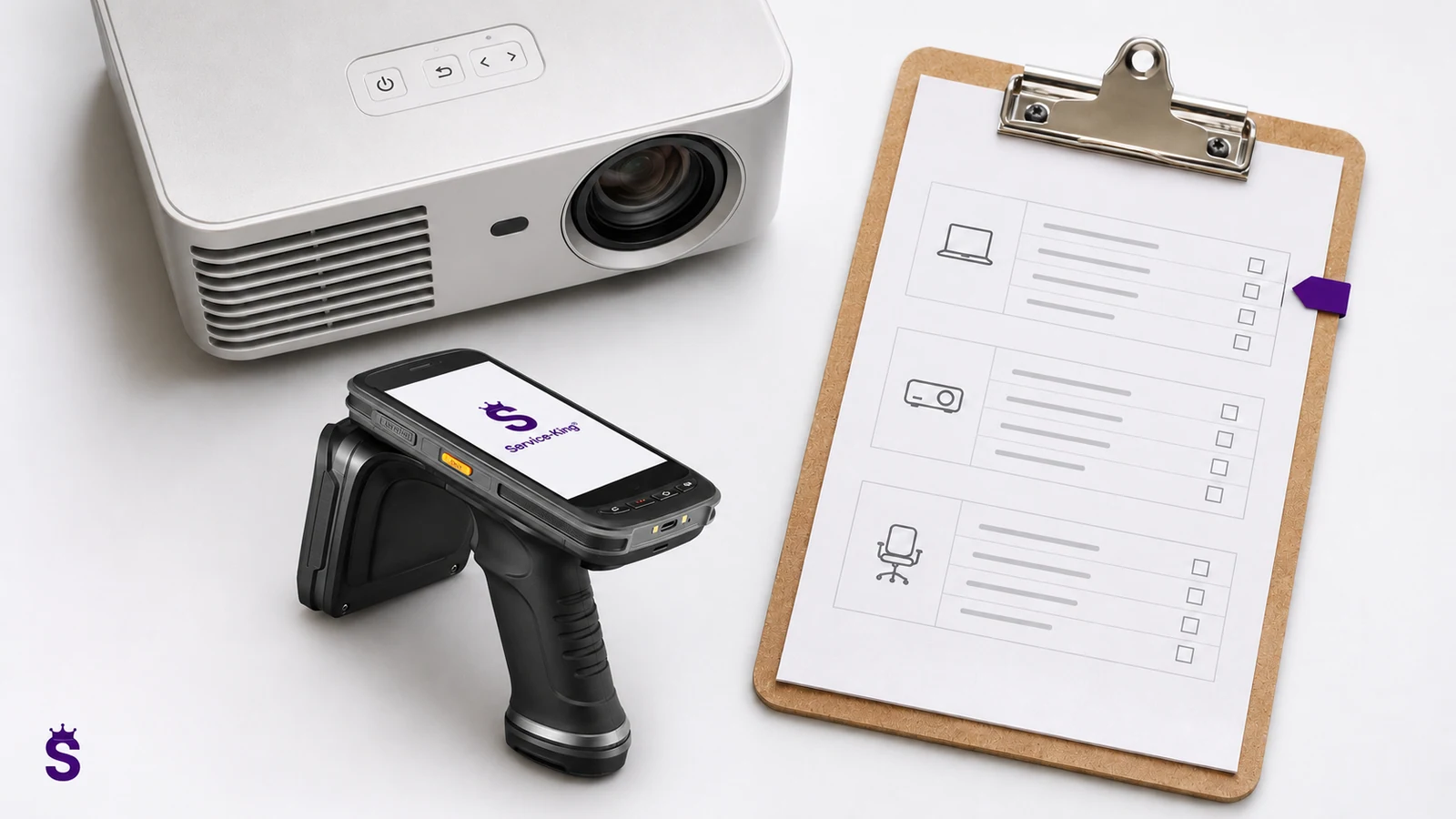
Three methods for verifying asset records
Under Polish accounting law, the main methods are physical counts, balance confirmations, and comparison of accounting data with documents and verification. These are not freely interchangeable: Article 26 links the method to the type of item and applicable circumstances.
| Method | What do you confirm | Example use |
|---|---|---|
| Natural stocktake | Actual condition determined by counting, measuring or weighing. | Physically available equipment, fixed assets, and inventory covered by this method. |
| Confirmation of balances | Compliance of information with the business partner or other appropriate entity. | Relevant receivables and own assets entrusted to business partners. |
| Document verification | Compliance of records with documentation and reality of values. | Items for which the regulations provide for verification instead of other methods. |
Details and exceptions can be found in Art. 26-27 of the Accounting Act. It is worth agreeing the plan of a specific company with the person keeping the books.
Annual, ongoing and ad hoc describe how stocktaking is organised
An annual stocktake supports determining and reconciling the position on the relevant date in the Polish accounting context. Not all assets must be physically counted on one day. Polish law provides different timing and frequency rules by item type.
Continuous inventory shall be organized as checks spread over time. Such a schedule helps keep everything organized, but you need to check whether the way it is maintained meets the requirements for the given components. Ad hoc stocktake may result from the transfer of a warehouse, a change of person in charge, damage or the need to check a selected zone.
Full or partial: define the stocktake boundaries first
Scope may include an entire unit, a specific location, a group of equipment, or equipment assigned to a selected person. A clearly defined range prevents double counting and omissions. In case of several teams, also establish the boundaries of the rooms and the rules for moving things between them.
- What groups and locations are covered?
- On what date do you compare the result with the records?
- How do you handle items belonging to employees or business partners?
- Who explains differences and approves changes?
- How do you record the movement of property during the stocktake?
RFID supports physical inventory
UHF RFID shortens the step of finding tagged items: instead of targeting each code, the operator reads tags within range. The system compares the IDs with the list of expected items. Technology does not choose the inventory method for accounting and does not independently settle all differences.
For one item, you can keep the QR as an additional means of identification. For metal tools, markings intended for metal are needed. Regardless of how you read it, you still check for exceptions: missing marking, foreign equipment, incorrect location or item unavailable.
How to choose a way of working for your company
| Situation | Practical direction |
|---|---|
| Office with multiple rooms | Inventory by location and separate list of equipment issued to employees. |
| Tool crib with frequent traffic | Current check-outs and returns, periodic inspections and reconciliation of the status as of the stocktake date. |
| Scattered troops | Shared records and schedule, separate tasks for local teams. |
| Stocktake once a year | Preparation of data and markings ahead of schedule; seasonal range to be individually agreed. |
Practical preparation describes annual inventory checklist. You will find system functions on the website RFID stocktaking in Service-King.
Sources and further verification
Continue on this topic